Which Wood for Which Room?

What is the best wood to your furniture made from for each room in your home? There are many types of wood. A lot are unsuitable to be made into furniture because they warp, shrink, are not strong enough, or are simply too rare and expensive. Woods vary in softness and hardness, flexibility, and even what pattern the grain of the wood makes. Some types of wood are more common than others. There are the more expensive types, such as cherry and top of the pile, mahogany, and the less expensive types of wood, such as beech. Typically, an expensive piece of furniture uses woods like mahogany on the outside, or the visible surafces, and cheaper woods on the non-visible parts. This will save money when building the furniture. But there are better types of wood to be used in rooms:

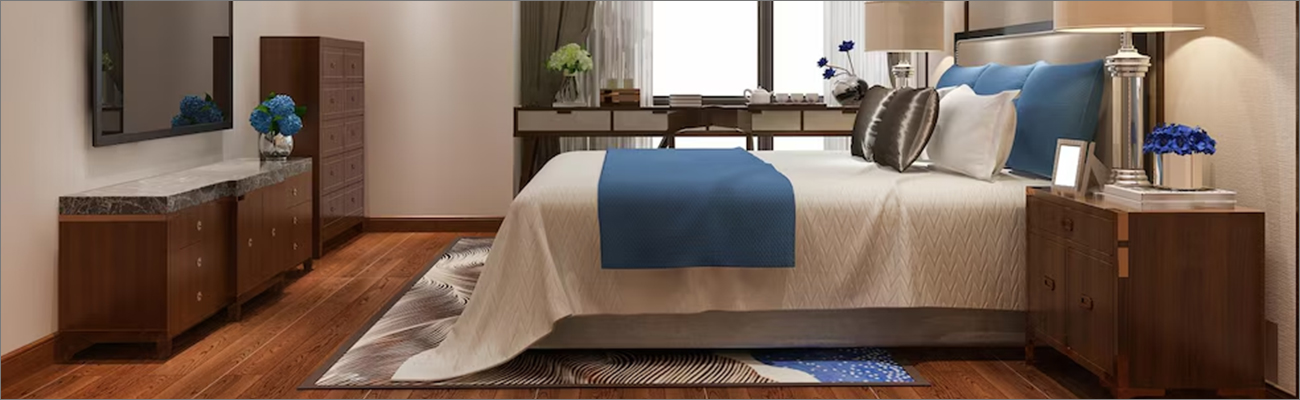
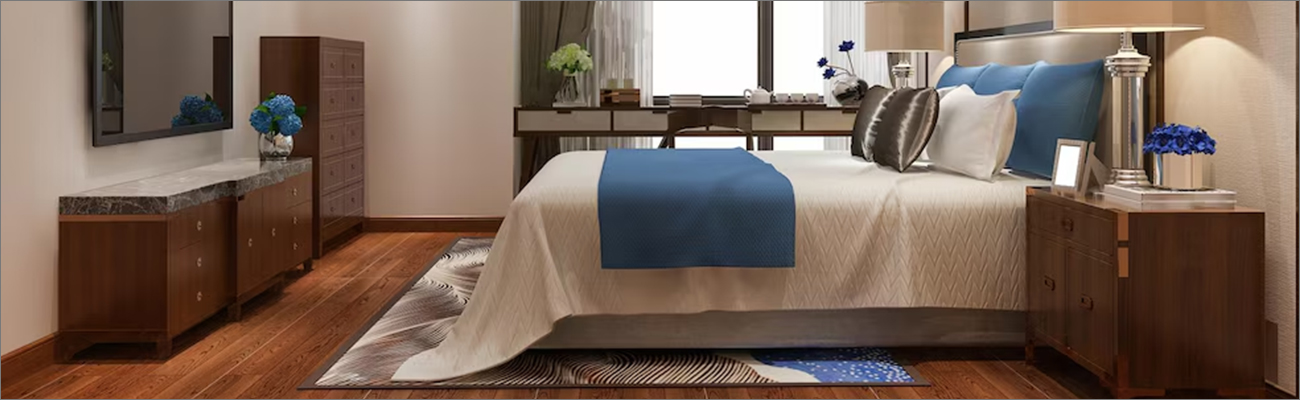
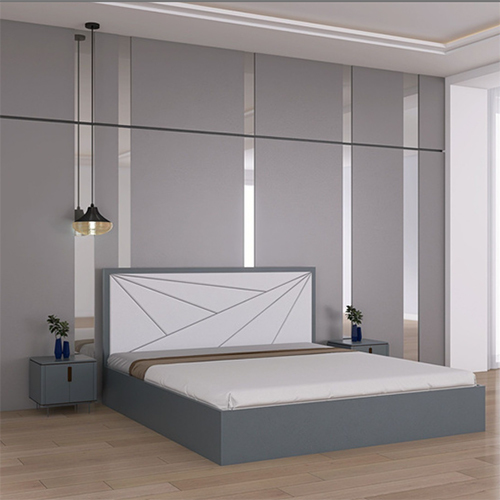
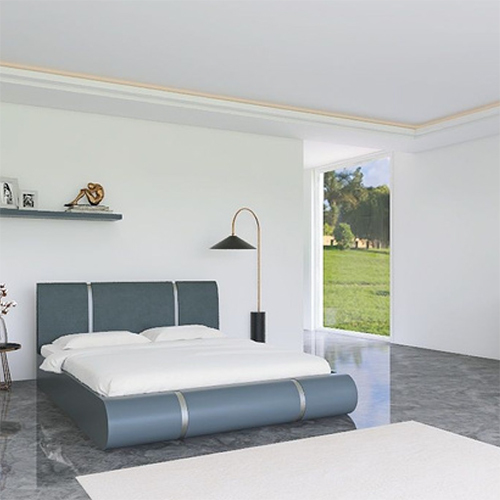
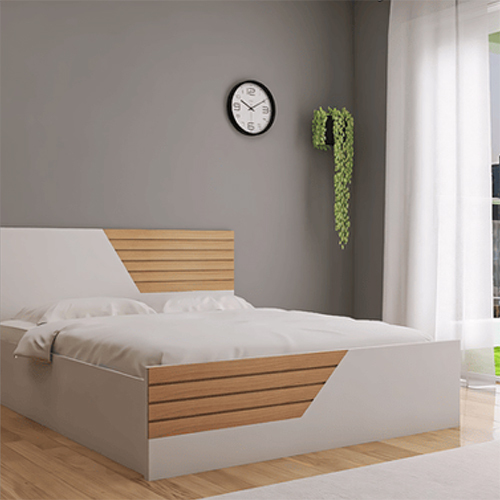
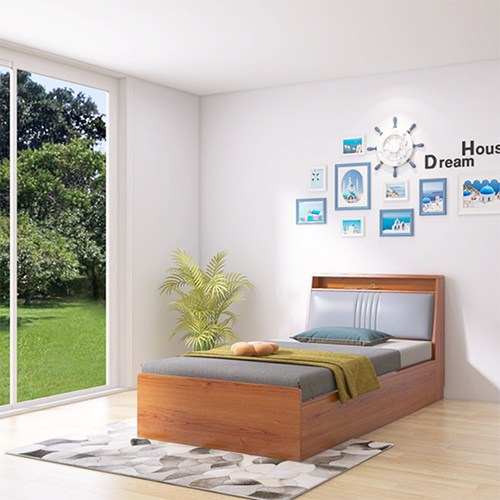
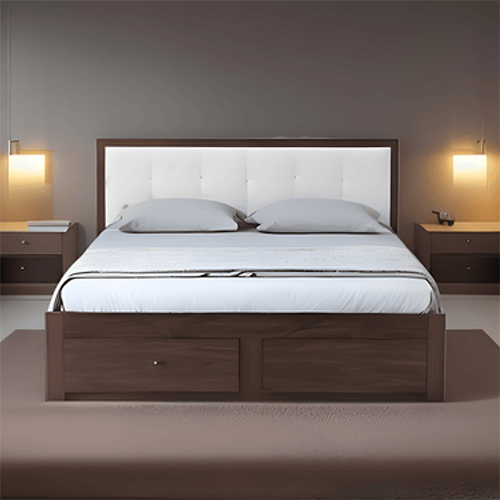
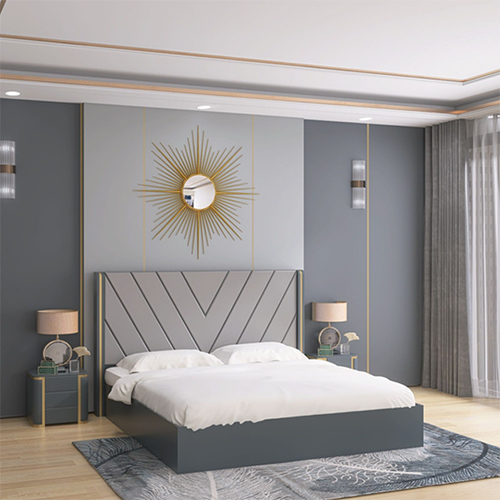
For bedroom furniture, such as the bed frame and dressers, the appearance of the wood is the key to a beautiful bedroom. In the master bedroom, cherry and mahogany are popular choices. They are more expensive but have a nice finish and are pleasing to the eye. It often will not need to be stained, because its original colour and desirable. Cheaper woods to use in a bedroom include beech and pine. They are inexpensive and work great in children’s rooms, where they may be liable to more damage and staining!

Maple and pine are excellent choices for furniture built for a kitchen or dining room. This usually includes shelves or cabinets, oak bedside tables and chairs. Pine is excellent because it can be stained or painted. It is used for furniture that the owner intends to decorate after it has been built. Maple is sturdy and attractive but can be costly to use. However, it can take a lot of abuse without breaking or wearing down under stress. You make your choice!

For other rooms,  storage items such as chests, dressers and closets often use cedar, cherry or mahogany for expensive projects. They all create a pleasing colour and hold up well under stress. Cedar is known for its rich aroma and is used primarily in closets and chests. Beech or pine wood is good for those who want a more inexpensive wood that can still hold up fairly well. Beech and pine cost considerably less, and can be stained to achieve a colour mimicking that of the more expensive woods.

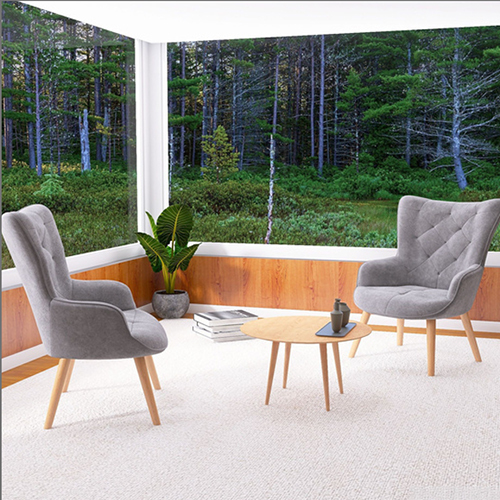
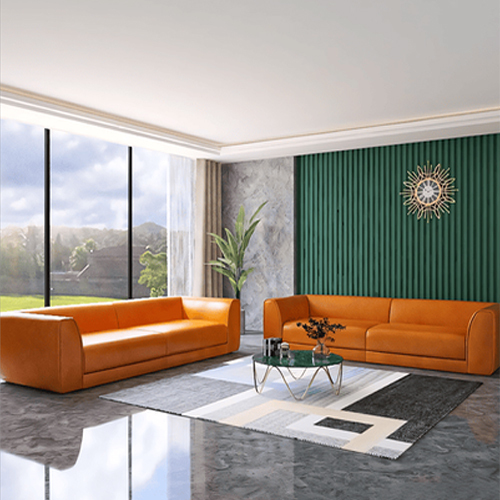
For the sitting room, then my suggestion would be to really go for the best possible wood you can afford. This is where you and your friends and family are likely to be relaxing and want a comfortable lavish environment. I would suggest oak because it is durable, light in colour (and so won’t overpower a room) but has a beautiful look and feel to it.It also goes well with black hi-tech equipment such as a plasma TV screen.


Different Woods for Furniture

There are an amazing variety of woods that can be found in the manufacture of furniture today. You are spoilt for choice. Here’s a quick run down of the main types you might fine in your furniture store:

Sugar maple

Acer saccharum
This species comes from Canada and, like most maples, is very versatile: from furniture making, to fine letter blocks for printing press, to tool handles and even billiard cues. It ages and discolours less than sycamore and its grain can be very wavy and attractive.

Teak

Tectona grandis
A timber which exudes a natural oil from its pores, enabling it to withstand exceptional conditions. Very difficult to degrease for gluing and joinery purposes. Was very popular inBritain in the 1970s and 80s.

European walnut

Juglans regia
If one timber had to be chosen as ‘king among kings’, this would be it. Without doubt, its ease of usage, colour, texture, figure and sheer depth of beauty, combined with stability, make this one species which has to be experienced.

Brazilian mahogany

Swietenia macrophylla
Although this species is, without doubt, the best available mahogany from any of the exporting countries, we all should have a genuine obligation to our environment and the world conservation principles to try to use mahoganies from other sources where conservation is an important factor.

English oak

Quercus robur
The English oak has a majesty all of its own and, of all the oaks, is the most magnificent for furniture making. Terrific!

Scots pine

Pinus sylvestris
In Western Europe this species abounds as household furniture and structural timbers in house building. Good for staining

Rosewood

Dalbergia
There are various rosewoods; Rio, Indian, East Indian, British Honduras, etc. for some years source countries have imposed an export ban so it is difficult to obtain. Difficult to glue and prone to fine surface splits, but equally an amazingly beautiful timber, still much sought after.

European beech

Fagus sylvatica
An excellent wood to steam bend (a technique used in wood tooling). It is prone to shrinking but can work beautifully when dry; woodworking tools are often made of beech.

Yew

Taxus baccata
Some trees exceed 1000 years in age. Yew has extraordinary elastic properties, hence its historical use for long bows and finest ‘Windsor chairs’. Did you know that the foliage is poisonous to many animals, including cattle.

British elm

Ulmus procera
This magnificent species provides all that one could desire in terms of durability, size, depth of beauty, and wonderfully exotic figure. However it was wiped out across Europe due to Dutch Elm disease. You just won’t find it anywhere!

And some of the worst woods for furniture:

Alder

Alnus glutinosa
An unusual timber in that it has almost no use in wooden furniture making due to its wild nature on being exposed to air.

European lime

Tilia vulgaris
One of only a very few woods, but arguably the best, for carving. However it is too weak and not really suitable for furniture.

Here’s my preference:  mahogany, oak, maple, beech and pine. These are the top five woods to look for in furniture. Mahogany is the sturdiest but is also one of the most expensive. While pine and beech wood are more common and cheaper, they still make excellent furniture and are great if you plan on staining the piece yourself.